Learn How Web Design Functions to Create Involving Individual Experiences
Website design plays a crucial duty in forming customer experiences across digital systems. By comprehending vital concepts like functionality and aesthetic hierarchy, designers can produce web sites that not just bring in site visitors yet also encourage them to involve. Efficient layouts and well-thought-out color schemes can significantly affect user behavior. There are much deeper considerations that go beyond aesthetics, which are important for promoting an inclusive online environment. What are these aspects that can change a basic site into an engaging experience?
Understanding the Concepts of Website Design
The foundation of efficient web design copyrights on a set of core concepts that assist the development of involving individual experiences. These concepts consist of functionality, accessibility, and visual hierarchy, each playing a vital role in exactly how individuals communicate with a site. Usability guarantees that individuals can browse intuitively, locating information effortlessly. Access widens the reach of an internet site, suiting users with varied needs and capabilities. Aesthetic power structure directs customers' attention to crucial elements, helping with much easier comprehension of material. In addition, uniformity in layout elements fosters experience, boosting user comfort. Shade systems and typography should match the general visual while keeping readability. Additionally, receptive style adapts to numerous devices, ensuring a seamless experience across platforms. By adhering to these principles, designers create sites that not just mesmerize individuals however additionally guide them towards wanted actions, eventually improving interaction and fulfillment.
The Importance of Layout in Customer Experience
Reliable layout acts as a foundation for customer experience, influencing exactly how visitors connect and view with a website. A well-structured layout guides customers' focus, making it much easier for them to browse and find relevant details. By organizing material practically, designers can develop a smooth flow that decreases cognitive lots, enabling individuals to concentrate on their jobs.

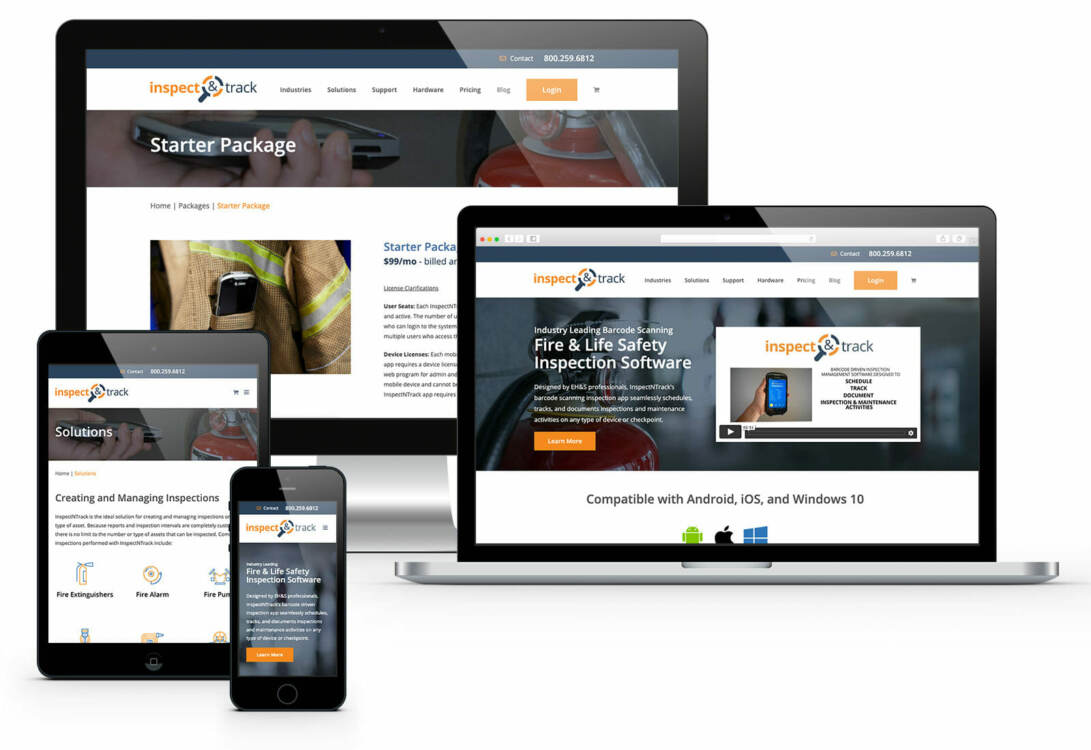
Responsive designs ensure that web sites function well across different gadgets, preserving use no matter of display dimension. Ultimately, a thoughtful layout is important in producing an appealing customer experience that cultivates satisfaction, urges exploration, and enhances the possibility of conversions. Interest to format design is crucial for effective internet communications and general individual involvement.
Shade Schemes and Their Effect on Involvement
Exactly how do color design affect customer involvement on sites? Color design play an important role fit user perception and actions. They stimulate feelings and can significantly affect exactly how customers connect with a website. Cozy shades like red and orange can boost enthusiasm and necessity, while cooler shades like environment-friendly and blue usually share peace and depend on. - Web Designer Kelowna
Uniformity in color use fosters brand acknowledgment, making customers more most likely to involve with acquainted visuals. Effective color comparison enhances readability, ensuring individuals can conveniently browse material without pressure. Additionally, the mental organizations of colors can lead users towards wanted actions, such as clicking a call-to-action button.
Inevitably, a thoughtfully chosen color plan can not just bring in users however also enhance their general experience, bring about higher interaction prices and raised satisfaction. Internet developers must thoroughly consider shade options to enhance individual communication and foster a positive environment.
Navigation Finest Practices for User-Friendly Internet Site
What makes navigating user-friendly and user-friendly on an internet site? Effective navigation depends on clear framework and sensible hierarchy. Users YOURURL.com should conveniently locate menus, generally positioned at the top or side of the page, enabling quick accessibility to crucial areas. Uniformity in design elements-- such as font styles, shades, and button designs-- assists in experience, improving user convenience. Detailed tags for navigating links are essential; they should precisely represent the web content customers can expect when clicked.
Furthermore, incorporating a search attribute can aid users in finding details info quickly. Dropdown menus can arrange subcategories without frustrating site visitors, while breadcrumb tracks aid individuals read what he said track their location within the site. Mobile optimization is likewise crucial, as touch user interfaces require bigger switches and responsive styles. Inevitably, focusing on simplicity and quality in navigation allows customers to engage better with the site, cultivating a positive customer experience.
Making sure Ease Of Access for All Customers
Making certain ease of access for all customers is essential in website design, as roughly 15% of the international populace copes with some type of impairment. Web designers have to prioritize inclusivity by sticking to developed guidelines like the Internet Content Availability Guidelines (WCAG) These standards offer important requirements that enhance use for people with aesthetic, acoustic, electric motor, and cognitive impairments.
Key methods consist of utilizing detailed alt message for pictures, ensuring sufficient color comparison, and giving key-board navigability. In addition, applying display viewers compatibility can substantially improve the experience for visually impaired customers.
Testing sites with varied individual teams, consisting of those with disabilities, can expose prospective barriers and inform required adjustments. Educating layout groups concerning access can cultivate a society of inclusivity, ultimately creating a more user-friendly and engaging internet experience. By prioritizing ease of access, designers not just increase their audience yet likewise demonstrate social duty and commitment to equivalent accessibility for all.
Often Asked Questions
What Tools Can I Use to Layout My Web site?
To make a web site, one can use tools like Adobe XD, Figma, Lay Out, and WordPress. These systems offer different attributes for design, prototyping, and content monitoring, facilitating the development of functional and aesthetically appealing sites.
Just How Can I Check My Website's User Experience?
To test an internet site's individual experience, one can utilize devices like Google Analytics for actions tracking, conduct use testing with real users, and gather feedback through studies to determine locations for improvement and improve general interaction.
What Prevail Errors in Web Style to Prevent?
Typical mistakes in internet design include messy formats, bad navigating, absence of mobile optimization, sluggish loading times, and making use of way too many font styles or shades. These problems can hinder individual experience and lower overall site performance.
Exactly how Often Should I Update My Web site's Style?
A website's style need to be updated every one to three years, or a lot more regularly if considerable patterns emerge or individual comments indicates frustration. Regular updates enhance aesthetics and functionality, ensuring a appealing and fresh individual experience.
Can I Discover Website Design Without Coding Understanding?
Yes, one can learn internet layout without coding expertise. Various devices and platforms permit individuals to produce visually enticing sites with drag-and-drop user interfaces, enabling creativity without the intricacies of shows languages.
Comments on “Elevate your digital presence with Kelowna Website Development.”